Waking up with lower back pain is common. However, if you’re wondering,” Why does my lower back hurt when I wake up?” As a chiropractor treating patients daily, I see it’s often caused by a bad sleep position or an underlying condition.
In this guide, we will discuss 2 most common causes of lower back pain in the morning and how to resolve them.
Most Common Causes of Lower Back Pain in The Morning

1. Bad Sleeping Positions
First of all, the way you sleep has a huge impact on your spine. Therefore if your spine isn’t in a neutral position overnight, your muscles and joints will be placed in an overnight stretch.
Holding a stretch for a few seconds to minutes is beneficial, but holding it for a few hours will cause stiffness and soreness.
Examples of Bad Sleeping Positions:

Sleeping on your stomach can overarch your lower back

Sleeping on your side incorrectly can put your lower back into a night long stretch

Sleeping on your back with a big pillow under your head can put a big pull on your mid and lower back
- If your lower back pain in the morning is caused by poor sleeping posture you will:
- Have lower back stiffness
- Have lower back aches
- Only experience these symptoms shortly after waking up
NB: Lower back pain caused by a bad sleeping position is extremely rare in children under the age of six. Therefore, if your child is experiencing lower back pain and is six years old or younger than poor sleeping positions aren’t likely the cause of their pain.
2. An Underlying Condition
An existing lower back condition causing pain in the mornings is another common cause for making your lower back hurt when you first wake up.
There are many different causes of lower back pain which are discussed in more detail here.
- If your lower back pain in the morning is caused by an underlying condition you will feel:
- Sharp lower back pain
- and/or
- Numbness, pins and needles going down your leg (Sciatica)
- and/or
- Burning pain at the muscles of the lower back
- One or more of these symptoms throughout the day
When Should You Be Concerned?
Most morning back pain is not serious. However, there are a few signs you shouldn’t ignore.
You should seek professional advice if:
- The pain is severe or getting worse
- Numbness, tingling, or pain travels down your leg constantly
- There is a feeling of numbness around your groin area
- Loss of bladder control occurs
In these cases, getting assessed is important.
How to Relieve Lower Back Pain in the Morning
1. Improve Your Sleeping Position
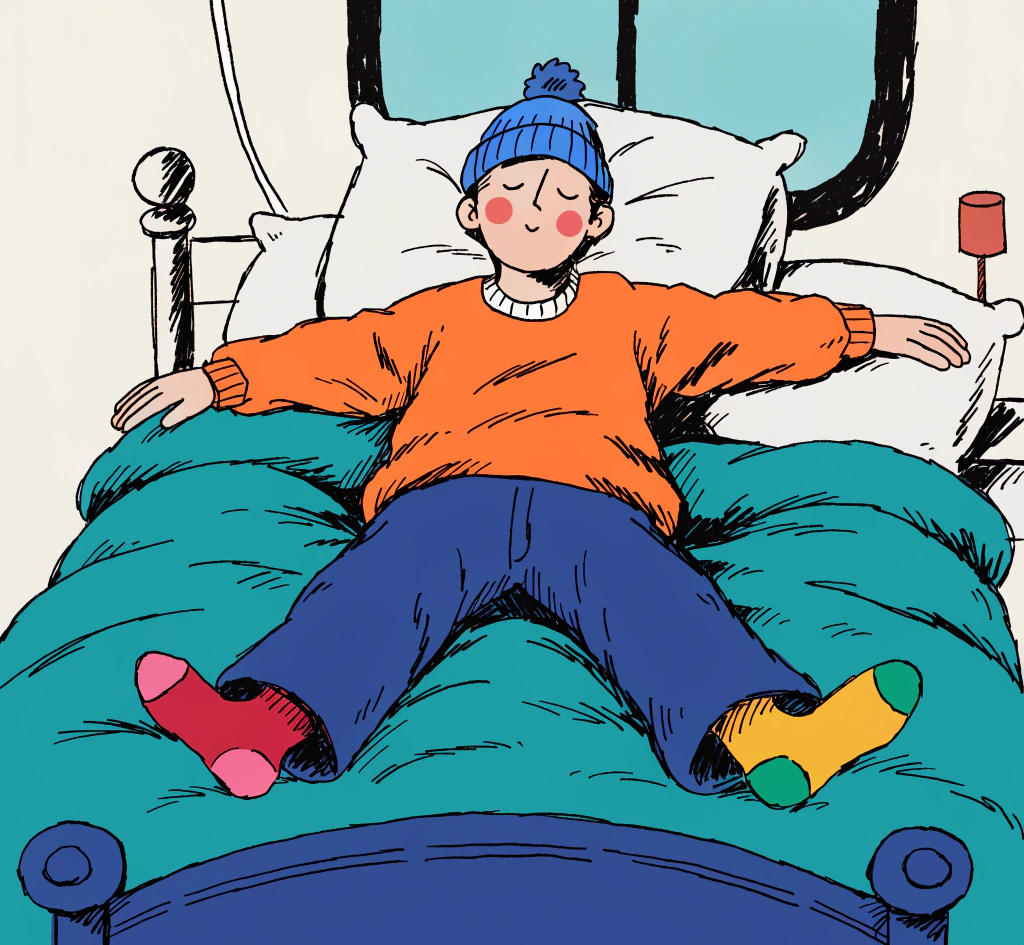
The best positions to sleep in are either on your back or on your side. Research suggests that sleeping in these positions supports proper spinal alignment and may reduce lower back pain¹.
Sleeping on your front should generally be avoided. However, if that’s the only way you can sleep, there are ways to adjust your posture and use pillows to improve spinal support.
Sleeping on your Back
When sleeping on your back, place a very thin pillow under your head and a medium sized pillow under your knees. This keeps your head neutral and lessens the pull on your lower back
Sleeping on your Side
For side sleeping, put a medium sized pillow under your head and between your knees. Sometimes people bring their top leg up, in that case put the medium sized pillow under your top knee. This keeps your whole spine neutral, removing the stretch that would otherwise occur in your lower back.
Sleeping on your Front
Those who sleep on their front should put a small to medium size pillow under your stomach and pelvis, this limits the overarched position your neck and lower back will be in.
How to Tell If Your Spine Is Properly Aligned While Sleeping
Once you get into your sleeping position, stop and feel your lower back for a moment.
Do you feel any pull or stretch at the lower back or the hips. If you do, then readjust your pillows and repeat the same process until you feel no stretch on your lower back.
People tend to move a lot while asleep, so starting out in the correct position is the most you can do.

2. Treat the Underlying Condition
If you have fixed your sleeping position and your lower back pain is still there, then most likely you need to see a medical professional.
Firstly, start with conservative treatment like chiropractic, physical therapy or acupuncture.
Once you have tried the conservative treatment and seen no results then invasive treatment like spinal injections and surgery are the next step.
On the whole, most people experience great relief from conservative treatment and don’t need surgery.
Can a Chiropractor Help?
Yes, for most people, chiropractic treatment provides great relief by addressing the underlying cause of their lower back pain.
Chiropractors are trained to use a variety of spinal adjusting techniques. As a result, care can be tailored to each person’s condition, comfort level, and overall health.
However, people with life-threatening conditions like Cancer, Multiple Sclerosis and Parkinson’s Disease can only experience limited relief.

In many cases, gentle treatment and targeted advice can:
- Improve mobility
- Reduce joint irritation
- Ease muscle tension
- Help you wake up pain-free
Overall, the goal is to restore normal movement, reduce discomfort, and support long-term spinal health.
Visit Our Chiropractic Clinic
If you are based within driving distance of Navan or Trim and are experiencing persistent lower back pain in the mornings that is not improving, it may be worth seeking a professional assessment. Our clinic offers tailored chiropractic care aimed at identifying and addressing the underlying cause of your symptoms.
Reference:
¹ Ellis RJ, Bandyopadhyay P, Williams RK. The Association Between Sleep and Low Back Pain: A Systematic Review. Pain Medicine. 2024. https://pubmed.ncbi.nlm.nih.gov/40338112/
Pingback: What Causes Lower Back Pain in Females? Explained