Published March 31, 2026

Written & Medically Reviewed by DC Danel Daljajev
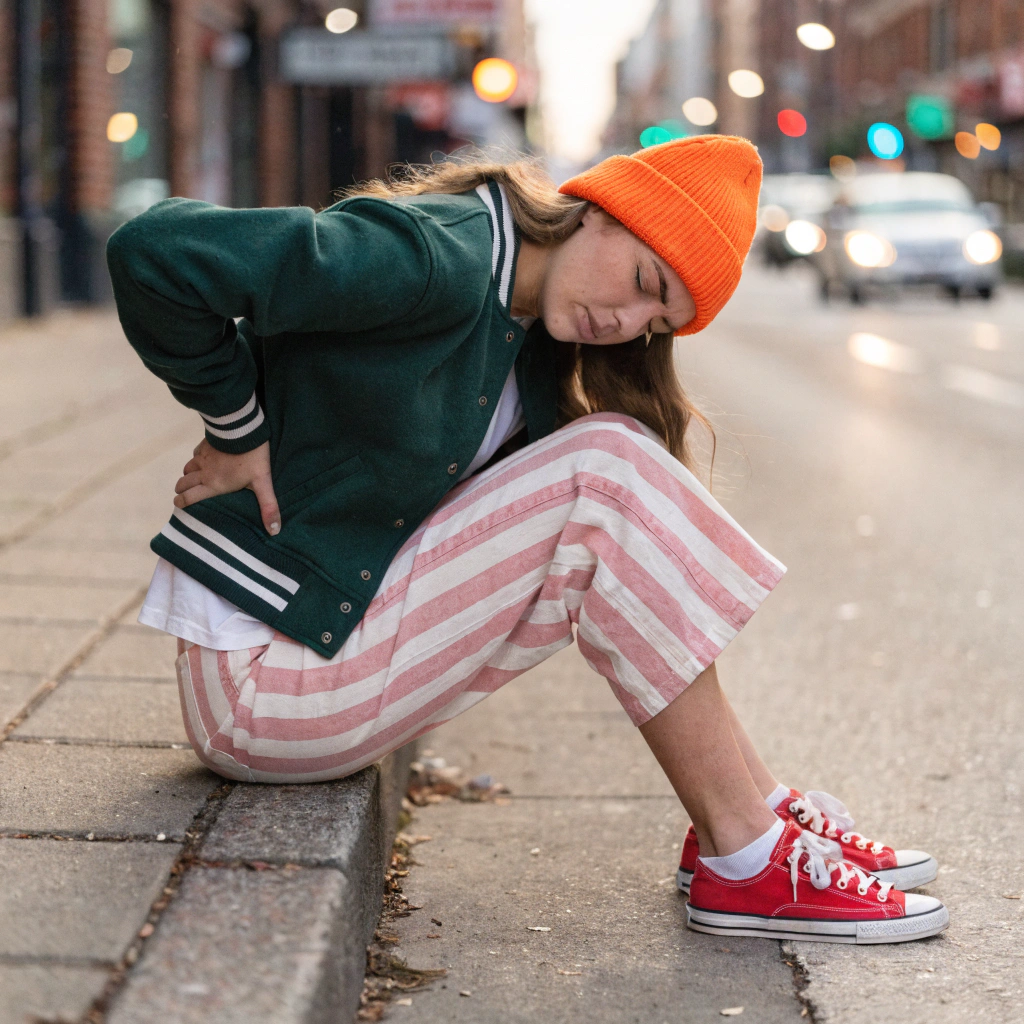
Lower back pain in females is mainly caused by pelvic joint inflammation, muscle strain or inflammation of the discs in the lower back. In addition, some causes are unique to women, such as pregnancy, hormonal changes, or endometriosis.
Although these conditions may sound scary and cause a lot of discomfort, most of them will resolve by themselves over time.
Therefore, understanding the cause is key to finding the right treatment and preventing the pain from getting worse.
Quick Answer: What Causes Lower Back Pain in Females?
- The most common causes include:
- Muscle Strain
- Pelvic Joint Inflammation
- Herniated/Inflamed Discs
- Sciatica
- Hormonal Changes
- Pregnancy
- Endometriosis
- Fibroids
- Pelvic Inflammatory Disease (PID)
Common Causes of Lower Back Pain in Females
Muscle Strain
Lower back muscle strain is when the muscles supporting the lower back tear due to:
- lifting something heavy with poor posture;
- repetitive unintentional stretch, like bad sitting or sleeping position;
- trauma from a fall or motor vehicle accident
In addition, overuse and lack of stretching can also contribute. People with this condition often feel tightness and pain on both sides of the lower back. However, the pain usually improves with rest.
Pelvic Joint Inflammation
According to the American Academy of Family Physicians, Pelvic joint inflammation, also known as Sacroiliac Joint Dysfunction, develops when weight isn’t distributed evenly through the pelvic joints. Typically, this is caused by a fall, poor posture or pregnacny.
As a result, pain is often felt when standing up from a seated position.
Herniated/Inflamed Discs
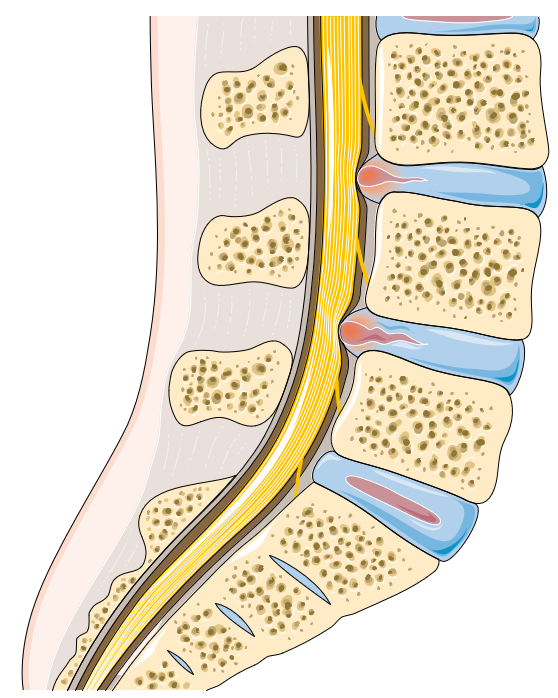
Spinal discs act as cushions between the vertebrae. However, prolonged bending or a sudden injury can cause them to bulge or become inflamed.
Consequently, the spine may feel stiff and tight. People often experience lower back pain when bending over, especially with prolonged sitting.
In this case, pain is usually felt in the middle of the lower back.
Sciatica
Sciatica is a condition in which a bulging disc or a misaligned vertebra presses on one part of the Sciatic nerve, then causes pain that radiates down the leg. In some cases, the pain may be accompanied with numbness and tingling sensations at the leg or foot.
Female-Specific Causes of Lower Back Pain
Hormonal Changes
Hormonal changes during the menstrual cycle can cause inflammation and increased sensitivity to pain. Because of this, many women experience lower back pain just before or during their period.
Pregnancy
As the body changes during pregnancy, extra weight and shifting posture place added pressure on the lower back. In addition, hormones also loosen ligaments, which can lessen spinal stability. These factors combined can cause lower back pain in women, especially during the second half of pregnancy.
Endometriosis
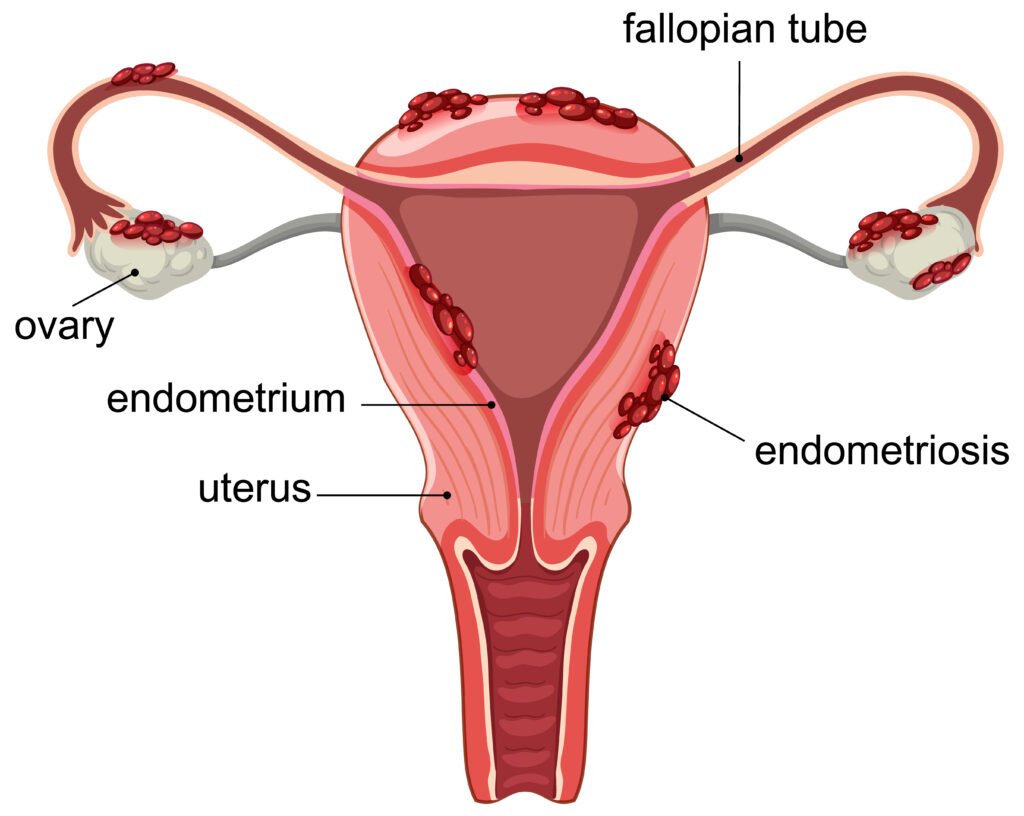
Endometriosis occurs when tissue similar to the uterine lining grows outside the uterus. As a result, it can cause chronic lower back pain, especially during menstruation. However, symptom severity varies widely between individuals.
Fibroids
Fibroids are non-cancerous growths in the uterus. In some cases, they create pelvic pressure that leads to back pain.
According to research published in Endocrine Reviews, they are the most common pelvic tumor, affecting more than 70% of women of reproductive age. However, many women experience few or no symptoms.
When symptoms occur, they mostly consist of:
- Lower back and gut pain
- Heavy and prolonged periods
- Fertility problems
- Mass – Large fibroids can be felt in the abdomen
Pelvic Inflammatory Disease (PID)
PID is an infection of the upper female genital tract. Most often, it is caused by sexually transmitted infections.
However, it can also result from other infections in the body, like appendicitis. Symptoms typically include abdominal and back pain, often with fever, unusual discharge, or irregular bleeding.
When Should You See a Doctor?
While many cases of lower back pain resolve on their own, some symptoms should not be ignored.
Seek medical attention if you experience any one of these symptoms with your lower back pain:
- Severe pain during menstruation periods
- Numbness or weakness in your legs
- Vaginal bleeding between regular menstruation periods or after intercourse
- Fertility problems
- Fever or unexplained weight loss
- Loss of bowel or bladder function (urgent)
Early diagnosis can prevent complications and lead to more effective treatment.
Self-Care Strategies for Lower Back Pain in Females
For many people, lower back pain can be managed with simple at-home treatments.
Improve Posture
Firstly, pay attention to how you sit, stand, and sleep. For example, when sitting on a chair, use a cushion and make sure your lower back is supported. The key is to keep your lower back in a neutral position and well supported. In any case, this also applies to sleeping as well. A surprising amount of people experience lower back pain when waking up just from poor sleeping posture.
Gentle Stretching
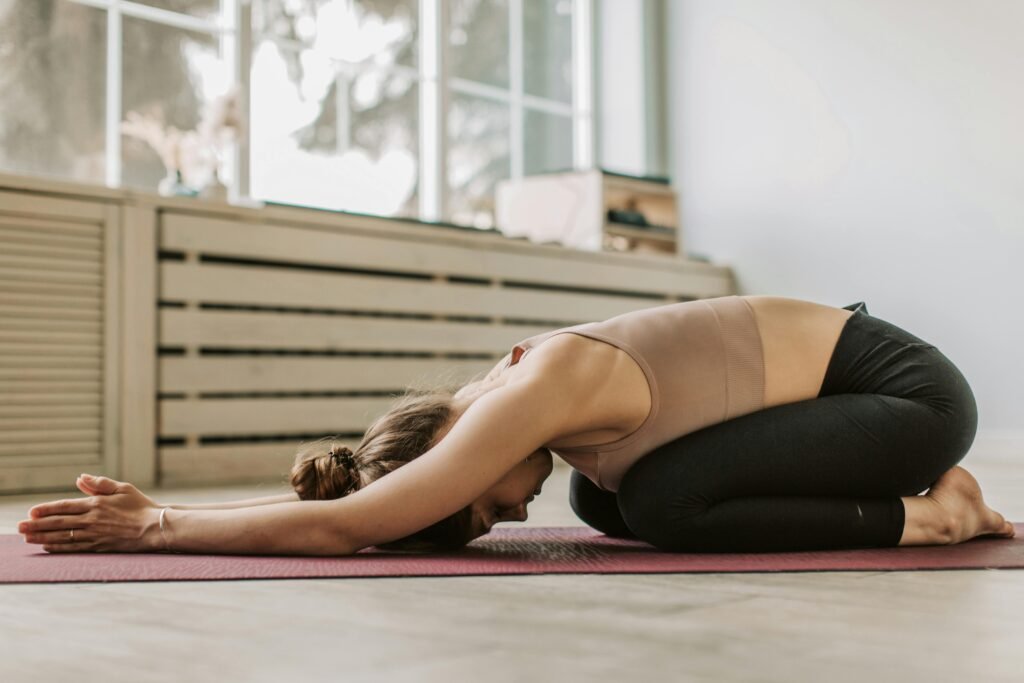
Stretching exercises targeting the lower back, hips, and hamstrings can relieve tension and improve movement in the spine. For instance, exercises like Cat Camel and Childs Pose have been proven to reduce stiffness and ease pain in the lower back, according to research from Cochrane Reviews.
Use Heat or Cold Therapy
- Cold packs can reduce inflammation (best for acute pain)
- Heat therapy helps relax muscles and improve blood flow (best for chronic pain)
Lift With Good Form
When lifting anything remotely heavy use proper lifting technique. Always, face the object you want to lift and bend from your knees and hips when lifting, not from your lower back. In brief, having good lifting form helps reduce stress on the lower back.
Medical Treatments for Lower Back Pain in Females
If home remedies aren’t enough, medical treatment may be necessary.
Physical Therapy
A physiotherapist can design a program to strengthen core muscles and improve posture, as a result, reducing long-term strain on the back.
Chiropractic
A chiropractor uses hands-on spinal adjustments or manipulation techniques to improve alignment and reduce pain.
Medications
Doctors may recommend anti-inflammatory drugs, muscle relaxants, or other stronger medications to help manage pain and reduce inflammation.
Injections
In some cases, corticosteroid injections may be used to reduce inflammation around irritated nerves and provide temporary relief.
Surgery
Surgery is typically a last resort and is only recommended for serious conditions like severe disc herniation or severe vertebra misalignment, which can cause compression of the spinal cord.
How to Prevent Lower Back Pain in Females
Prevention is often easier than treatment. Making small lifestyle changes can significantly reduce your risk.
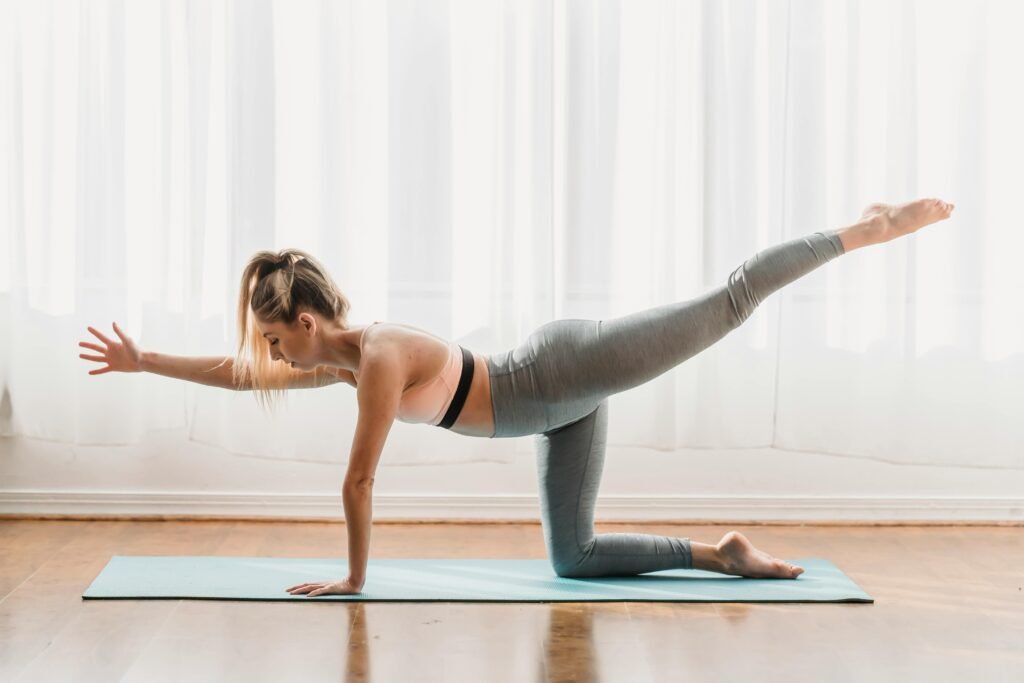
Exercise Regularly
Focus on strengthening your core muscles, which support your spine. For instance, The McGill Big 3 exercises are a good place to start.
Maintain a Healthy Weight
Excess weight puts additional strain on the joints and discs of your lower back.
Practice Good Posture
Whether sitting, standing or sleeping, keep your spine aligned and in a neutral position.
Use Proper Lifting Techniques
Always lift with your legs, not your back, and avoid sudden twisting movements.
Create an Ergonomic Workspace
Adjust your chair, desk, and screen to reduce strain during long periods of sitting.
FAQs
Why is lower back pain more common in females?
Lower back pain is more common in females because, in addition to experiencing common causes like muscle strain and disc problems, women are also affected by factors such as hormonal changes, pregnancy, and conditions like endometriosis and fibroids, all of which can place extra stress on the lower back.
Can hormones cause lower back pain?
Yes, hormonal changes, especially during menstruation or menopause can increase inflammation and sensitivity, leading to lower back pain.
Is lower back pain a sign of pregnancy?
It can be. Early pregnancy may cause mild back pain due to hormonal changes.
Can stress cause lower back pain?
Yes, stress can lead to muscle tension, particularly in the back and shoulders, which may result in pain or discomfort over time.
Is lower back pain a sign of hormonal imbalance?
It can be. According to Bone Research low levels of estrogen have been linked to bone density loss and loss of fluid in the spinal discs.
In any case, both of these processes are risk factors for developing lower back pain.
Conclusion
Lower back pain in females can stem from a wide range of causes, ranging from everyday habits like poor posture to more complicated issues like endometriosis. Overall, understanding the cause is key to managing and preventing pain.
In many cases, simple lifestyle changes and home treatments can provide relief. However, if the pain persists or worsens, seeking medical advice is important to rule out underlying conditions and ensure proper care.
Author Bio
DC Danel Daljajev is a qualified chiropractor based in Navan, Ireland, with a Master’s degree in Chiropractic from the University of South Wales. He is a registered member of the Chiropractic Association of Ireland and has extensive experience treating lower back pain and a wide range of musculoskeletal conditions.
References
- Newman, D.P. and Soto, A.T., 2022. Sacroiliac joint dysfunction: diagnosis and treatment. American Family Physician, 105(3), pp.239–245. Available at: https://www.aafp.org/pubs/afp/issues/2022/0300/p239.html (Accessed: 31 March 2026)
- Yang, Q., Ciebiera, M., Bariani, M.V., Ali, M., Elkafas, H., Boyer, T.G. and Al-Hendy, A., 2022. Comprehensive review of uterine fibroids: developmental origin, pathogenesis, and treatment. Endocrine Reviews, 43(4), pp.678–719. Available at: https://pmc.ncbi.nlm.nih.gov/articles/PMC9277653/
- Hayden, J.A., Ellis, J., Ogilvie, R., Malmivaara, A. and van Tulder, M.W., 2021. Exercise therapy for chronic low back pain. Cochrane Database of Systematic Reviews, (9), CD009790. Available at: https://pmc.ncbi.nlm.nih.gov/articles/PMC8477273/
- Horschig, A., 2018. The McGill Big 3 for core stability. Squat University. Available at: https://squatuniversity.com/2018/06/21/the-mcgill-big-3-for-core-stability/
- Pang, H., Chen, S., Klyne, D.M., Harrich, D., Ding, W., Yang, S. and Han, F.Y., 2023. Low back pain and osteoarthritis pain: a perspective of estrogen. Bone Research, 11(1), p.42. Available at: https://pmc.ncbi.nlm.nih.gov/articles/PMC10403578/
Image credits
- Image 2: Image(s) provided by Servier Medical Art (https://smart.servier.com), licensed under CC BY 4.0 (https://creativecommons.org/licenses/by/4.0/)
- Image 3: Designed by Freepik (www.freepik.com)